+1 (855) 977-2257 sales@sysracks.com
USA
USA
Canada
en
en
fr
es
0
0
0
Sysracks Equipment
  • Catalog
  • Sale
  • About Us
  • Shipping Options
  • Support & Resources
    • Contact Us
    • Blog
    • FAQ
    • Video
    • Warranty
    • Returns and Exchanges
search
Sysracks Equipment
search
Language
Currency
Server racks and cabinets by size
Racks & Cabinets by size
  • 2U
  • 3U
  • 4U
  • 6U
  • 7U
  • 9U
  • 12U
  • 15U
  • 18U
  • 22U
  • 27U
  • 32U
  • 37U
  • 42U
Server racks and cabinets by construction
Racks & Cabinets by Construction
  • Enclosed
  • Open Frame
    • 2 Post
    • 4 Post
Floor-standing server racks and cabinets
Floor Standing Server Racks
  • SRF 600mm Depth
  • SRF 800mm Depth
  • SRF-G 900mm Depth
  • SRF 1000mm Depth
Wall-mount Server Cabinets
Wall Mount Server Racks
  • SRW 450mm Depth
  • SRW 600mm Depth
  • SRW-G 450 mm Depth
  • SRW-G 600mm Depth
Home server racks and cabinets
Home Server Rack Cabinets
  • Small
  • WS
Portable under-desk server cabinets
Portable Server Rack Cabinets
  • SRW 900mm Depth
  • PR
Specialized racks
Specialized Racks
  • Soundproof
  • Desktop
  • Half-height
  • Office
  • AV Racks
  • Switch Enclosures
  • Security
Server rack accessories
Server Rack Accessories
  • Cooling Systems
  • Blanking Panels
  • Charging Stations
  • Shelves
    • Fixed
    • Keyboard
    • Sliding
  • PDU
  • Cable Management
    • Cable Organizers
    • Patch Panels
  • Cage Nuts & Bolts
Login
Forgot your password?
eye

Don't have an account? Join

You have an account? Login

eye

By joining, you agree to the Terms and Privacy Policy.

Recover password

Don't have an account? Join

Added to cart
✕
Checkout
Contact Us
  • Home
  • Blog
  • What Happens Inside a Server Rack During a Power Outage?

What Happens Inside a Server Rack During a Power Outage?

10.07.2025
Interesting to Know Server Rack Management Server Security
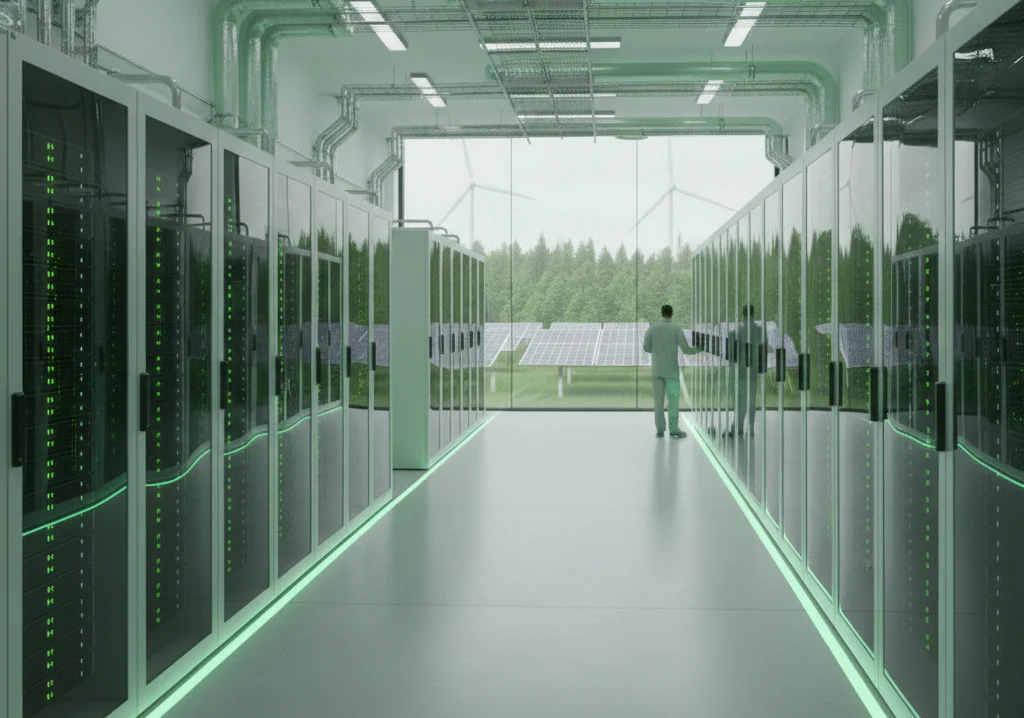
What Happens Inside a Server Rack During a Power Outage? photo

Nowadays, it’s impossible to imagine any workflow without data centers. DC facilities stand behind any IT or digital infrastructure. When we talk about data centers, it’s critical to ensure an uninterrupted power supply, since such facilities can’t function properly without a continuous flow of energy. Even a brief electrical outage can lead to data loss, service disruption, and financial damage.

In this article, we’re going to delve into the issue and highlight the negative consequences of even a short power outage. Our experts will explain what happens inside a server rack during an outage and provide effective tips on how to prevent such situations.

What is a Power Outage?

First of all, let’s define the term «power outage». It’s a sudden loss of electrical power, which leads to disruption in feeding hardware and system components. Outages can be partial or complete and last from seconds to hours. Regardless of its type, any outage causes disruptions in system operation, which, in turn, can lead to equipment malfunction or breakdown, financial losses, and downtime. Such situations require immediate response and infrastructure preparedness.

What are KVM Switches Used For?

KVM switches come as widely used components that help simplify data center management. The main reasons for their use include:

  • managing multiple servers in one rack;
  • accessing several computers from a single workstation;
  • switching between different systems for testing or support;
  • simplifying control in production studios, control rooms, and network operation centers.

Such solutions come as excellent tools for IT environments where space, cost, and organization are critical. The use of KVM switches allows for optimizing the workflow and ensuring a prompt reaction to emergency situations.

what happens inside a server rack

The Main Causes of Power Outages in Data Centers

What can become a reason for a power outage? Regarding data center infrastructures, the most common cases are:

  1. Equipment failure. If just one component of a system fails to perform, it can lead to the failure of the entire setup. Aging or defective electrical components often become reasons for unexpected shutdowns, since they require more power for operation and work unsteadily.
  2. Utility provider issues. Maintenance by specialized companies or grid failures can disturb the power supply and lead to a lack of feeding. Though such works are usually scheduled, sometimes they cause unexpected trouble, when hardware is shut down from feeding.
  3. Human error. When new components are added to the system or equipment is maintained, workers can damage the feeding line accidentally. The case is common since the staff comes in physical contact with wires and devices.
  4. Natural disasters. Data centers are usually located in secluded places, away from large cities and residential areas. Such places are located in areas prone to natural disasters, such as earthquakes, storms, and floods. They can also become the reason for outages and shutdowns.
  5. Overload conditions. Each system, device, and component consumes a certain amount of power. Depending on the number of components included in the setup and their power requirements, the needed energy source is calculated. If the level of power consumption by the system exceeds the capacity of the source supply, excessive demand on circuits may result in shutdown and outage.

To minimize the risk of the mentioned troubles and ensure an uninterruptible and smooth operation of your DC infrastructure, it’s necessary to apply preventative measures.

How Volico Reduces the Risk of Power Outages in its Data Centers?

Companies use a series of steps to reinforce their infrastructures and prevent power outages. Here’s a list of preventative measures taken by Volico to enhance the security of its DC:

  1. Redundant UPS systems. The use of such systems ensures continuous power supply during transitions, meaning that there is no need to interrupt the setup.
  2. Backup generators. Alternative sources of energy are installed to ensure smooth operation when the main PDU fails to feed the system. Backup generators provide power when the main energy source suddenly shuts down.
  3. Regular maintenance. It’s possible to prevent failures that come from broken, malfunctioning, or outdated hardware by organizing regular checks and maintenance. Routine servicing performs a significant role in the creation of a sound and reliable workflow.
  4. Real-time monitoring. The use of advanced technologies and modern digital tools helps monitor the system and detect any deviations from its normal functioning promptly. The application of monitoring software allows users to respond to power-related anomalies swiftly.
  5. Load balance. The use of PDU (Power Distribution Units) allows for distributing power evenly between all units and components, which contributes to preventing overload.
  6. Isolated power paths. This strategy implies keeping critical system units separate to minimize impact from localized issues. It offers to use isolated paths for power supply to critical hardware.

These strategies help create a highly reliable system and eliminate the risk of unexpected power outages.

How Systems React to Power Outages?

Under normal operating conditions, a power distribution system delivers stable, conditioned electricity to server racks, ensuring all devices function reliably. A power outage immediately disrupts this critical supply. At this crucial moment, Uninterruptible Power Supply (UPS) units are activated, providing temporary battery power to keep critical systems online for a short duration (typically minutes). This brief window allows for controlled actions.

However, if no UPS is present, the UPS batteries deplete, or the outage persists beyond their capacity, systems experience an abrupt, uncontrolled shutdown. This sudden loss of energy carries significant risks, such as data loss, hardware damage, and service disruption.

Simultaneously, the failure of cooling systems compounds the problem. Without electricity, CRAC/CRAH units and fans stop, halting airflow. The heat generated by still-warm components (even during shutdown) rapidly builds up within enclosed racks, causing temperatures to spike dangerously and risking thermal damage to hardware.

In more advanced setups, monitoring systems may detect the power loss or UPS discharge state and trigger automated shutdown sequences for non-critical systems before the UPS is exhausted, mitigating some risks. Ultimately, the first few seconds following a power loss are absolutely critical; the presence and effectiveness of the UPS, coupled with the speed of automated or manual response, dictate the severity of the impact and the feasibility of smooth recovery.

Power outages pose severe risks to data center operations, including catastrophic data loss, costly hardware damage, extended service downtime, and potential thermal runaway due to failed cooling. While the complete elimination of outage risk is impossible, robust planning and resilient infrastructure can drastically reduce the impact and ensure rapid recovery. Don’t leave your business continuity to chance. Evaluate your current power resilience strategy today and explore how partnering with experts like Volico can safeguard your critical operations against inevitable power disruption.

To share
Comment
Previous newsNext news

The Latest Posts

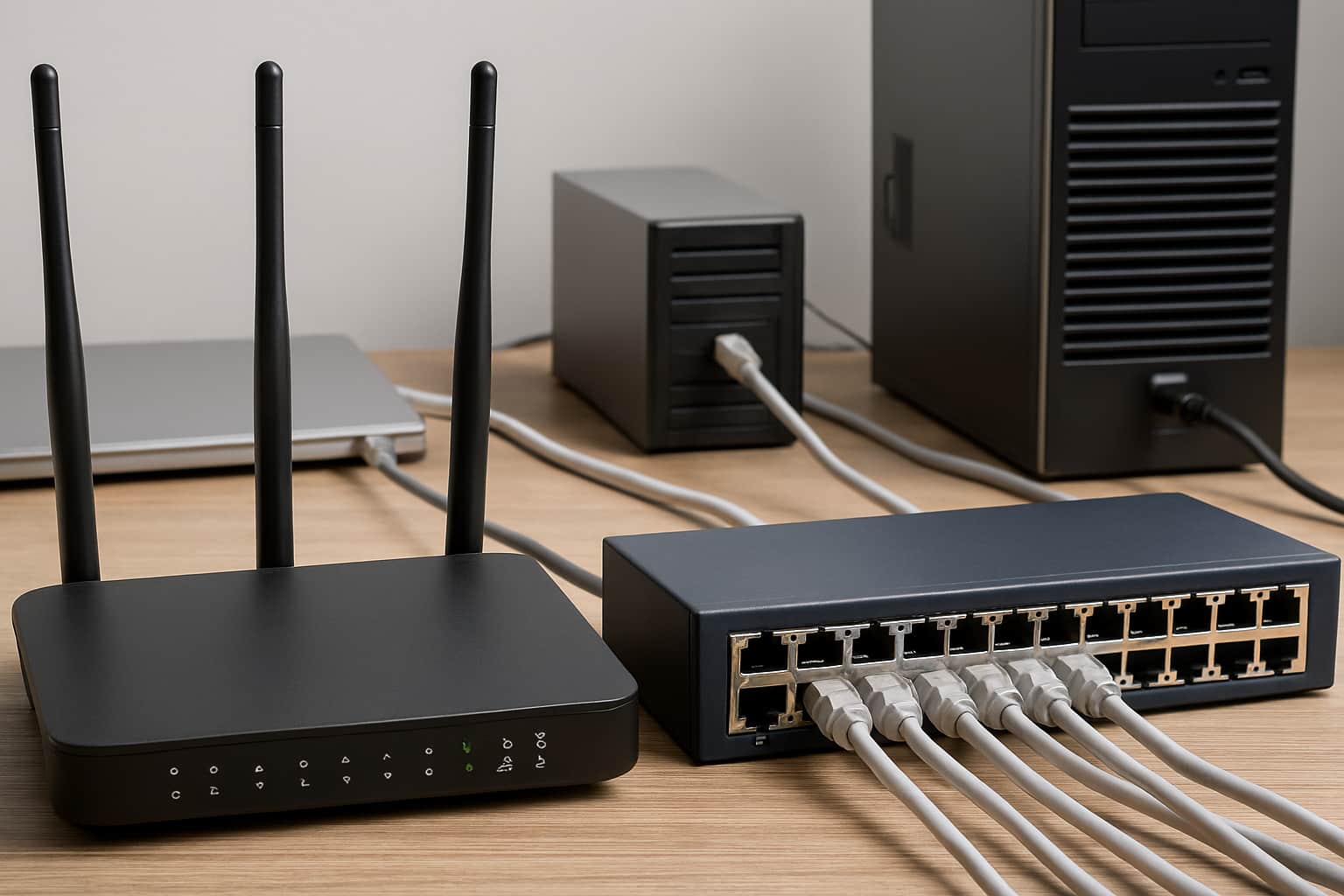
What’s The Difference Between a Router And a Switch?

What’s The Difference Between a Router And a Switch?

Nowadays, data centers and computing facilities grow like mushrooms in the fores...

Read more 29/12/2025
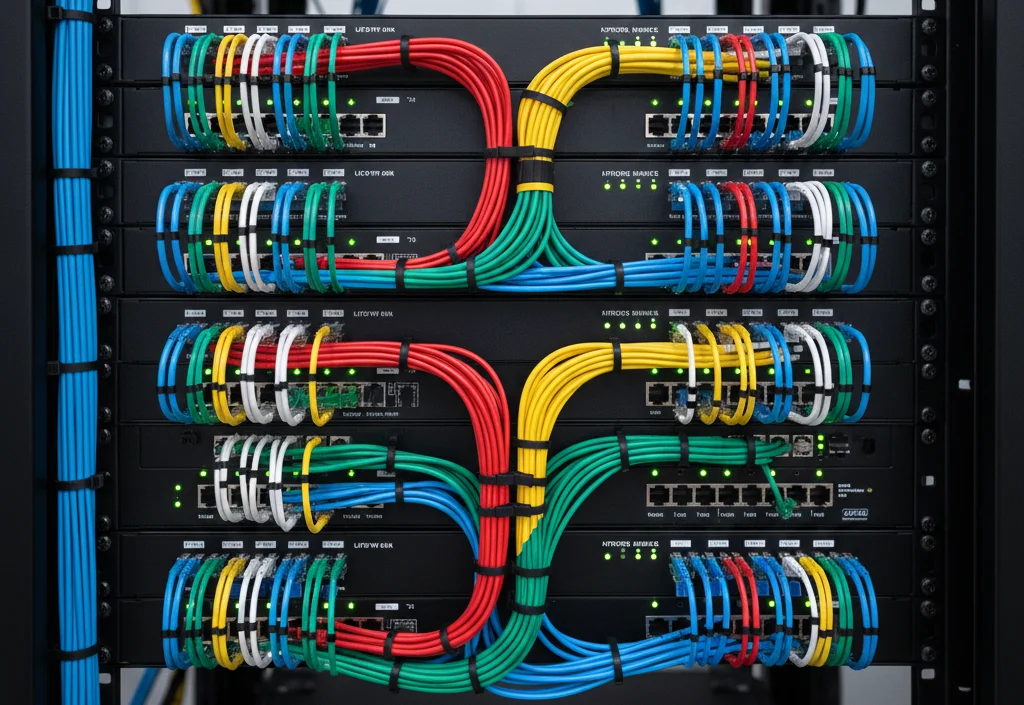
Understanding Different Types of Patch Cords for Network Reliability

Understanding Different Types of Patch Cords for Network Reliability

Patch cords are short cables used to connect various network devices and system ...

Read more 23/12/2025
ASIC vs GPU: What Are The Main Differences To Consider

ASIC vs GPU: What Are The Main Differences To Consider

Mining is a popular type of activity in the modern world. More and more users st...

Read more 28/11/2025
View all
What Happens Inside a Server Rack During a Power Outage? photo
+1 (855) 977-2257
sales@sysracks.com

616 Midland Ave,
Staten Island, NY 10306, USA


1630 Terminal St,
West Sacramento, CA 95691, USA


Mon-Fri: 10am — 5pm

  • Server Racks
  • Accessories
  • About Us
    • Blog
    • FAQ
    • Contact Us
    • Shipping Options
      • Returns and Exchanges
      • Warranty
      • Terms and Conditions
      • Privacy Policy

      Be the first to know about new product announcements, news, events, and more

      this is pypal
      What Happens Inside a Server Rack During a Power Outage? photo
      What Happens Inside a Server Rack During a Power Outage? photo
      What Happens Inside a Server Rack During a Power Outage? photo

      2026 © Sysracks.com. All Rights Reserved.

      Select your currency
      USD United States (US) dollar