


Green data centers: what they are and how they differ from conventional data centers
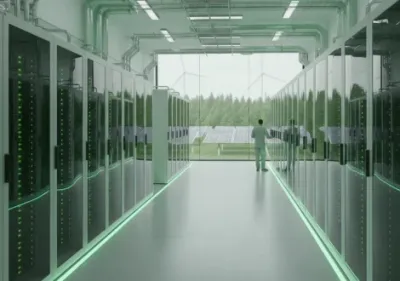
We have entered a new era where sustainability is not just a sound but a vital characteristic for future generations. In this regard, sustainability is the new "must-have" in IT. As data volumes explode, data centers are consuming massive amounts of electricity. Being "green" is no longer just a PR move; it is now a necessity for business efficiency and corporate reputation.
In the article, we’re going to discuss what is a green data center and outline its key characteristics. Our experts will explain the main differences between conventional and green DCs.
What are Green Data Centers?
To begin with, let’s start with the green data center definition. If we put it simply, these are data centers designed to operate with maximum efficiency. They focus on consuming less electricity, utilizing renewable energy sources, and minimizing environmental impact.
How Do They Differ from Conventional DC Facilities?
Green data centers have come to transform our vision of how we approach data management and energy efficiency. If we compare them to their conventional counterparts, such infrastructures are positioned as smarter facilities. While traditional DCs often increase capacity by adding more power, green infrastructures prioritize sustainability and efficiency through three key factors:
1. Intelligent Cooling
Conventional infrastructures typically rely on standard air conditioning systems that "freeze" the entire room to maintain optimal temperatures. This method is energy-intensive and costly. In contrast, green facilities utilize innovative cooling techniques such as:
- Free Cooling (harnesses outdoor air to regulate temperature);
- liquid-to-chip cooling (directs coolant specifically where it's needed).
These methods lower energy consumption significantly, which makes cooling an efficient process and helps reduce costs.
2. Efficient Hardware
Green infrastructures make a conscious effort to use efficient hardware that maximizes performance while minimizing energy consumption. For instance, they often give preference to compact Flash storage technologies instead of traditional hard drives that turn out to be bulky nowadays. This transition leads to a significant reduction in power usage without sacrificing performance.
Additionally, the integration of server virtualization enables these centers to manage workloads more effectively, which results in energy savings of 50–80%. By optimizing every component, a green IT data center can deliver the same output as conventional facilities while consuming less energy.
3. Minimal Losses (PUE)
Power Usage Effectiveness (PUE) is a critical metric that measures the energy efficiency of a telecom facility. To get accurate calculations, it compares total building energy usage to just what’s actually used for computing. In conventional facilities, nearly half of the consumed energy is lost for maintenance, cooling, and other non-computational processes. At the same time, green infrastructures are designed to reduce these losses dramatically. By implementing focused strategies, nearly every generated watt is utilized for actual computing tasks. This step helps cut operational costs drastically and minimize the carbon footprint.
To sum up, note that green infrastructures embody a modern approach to data management. It prioritizes intelligent cooling, efficient hardware, and minimal energy losses. Sticking to this strategy not only reduces operational costs but also contributes to a more sustainable future.
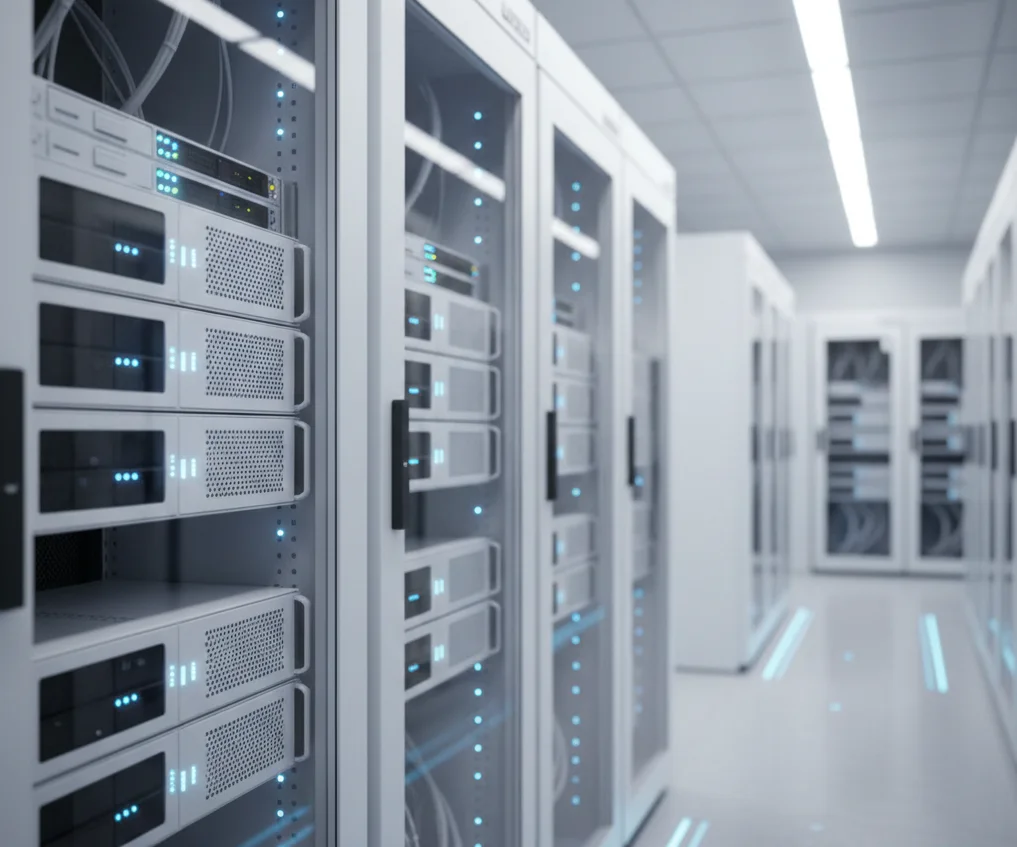
How to Make Your DC Infrastructure Green?
Note that making your data center green doesn’t have to involve a total rebuild; there are several effective steps you can take to optimize your existing facility for better energy efficiency and overall sustainability. Here are some key strategies to consider:
- Space management. The Hot/Cold Aisle strategy is one of the simplest and most impactful changes you can make to improve an indoor climate and enhance air circulation capabilities. Just install partitions according to a plan. This not only enhances cooling efficiency but also lowers energy consumption.
- Temperature tuning. Many older DCs maintain a colder environment than necessary. By raising the temperature of your server room towards the modern standards can lead to significant energy savings. ASHRAE recommends a wider temperature range for data centers, which can reduce cooling energy expenditures.
- Virtualization and cleanup. Virtualization helps optimize your computing resources by consolidating workloads onto fewer physical servers. This not only enhances performance but also allows you to identify and shut down idle servers. These servers consume energy while performing no useful tasks. Cleaning up your server inventory by decommissioning these deadweight machines leads to considerable energy savings and reduces the overall energy load on your infrastructure.
- Power optimization. Outdated infrastructure leads to significant energy loss. Upgrading older cables and power supply units to higher-quality models minimizes resistance and energy loss during transmission. Investing in efficient power supplies yields savings in both energy consumption and cooling requirements.
Green technology is the future. In the modern landscape, it is not just a trend but a way to stay competitive in the market. Transforming your data center into a greener facility doesn't require a complete overhaul. By implementing the mentioned strategies, you can achieve meaningful energy savings and improve your facility's sustainability without extensive investment.
You have questions? We will help you
- 616 Midland Ave, Staten Island, NY 10306
- 1630 Terminal St, West Sacramento, CA 95691
- Mon-Fri: 8am — 6pm